Showing posts with label onions. Show all posts

Wednesday, November 13, 2013

3 foods you should eat everyday to live healthy and strong.

NewsmaxHealth - Dr. Fuhrman reveals 3 foods you should eat everyday  October 24, 2013


Dr. Joel Fuhrman, a family doctor and nutritionist told in his book "Eat to Live", that we should at least 3 foods to live healthy:  vegetables, beans and onions to live healthy and ward off cancer.  We should look at the kitchen pantry rather than medicine cabinet to live healthy and strong.  The three nutrient rich foods can ward off cancer and other diseases.

He advocates a nutritarian diet, rich in vegetables, low in meat protein bread and pasta.

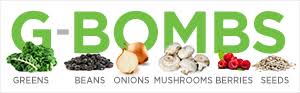
He explains diet rich in micronutrients under the acronym:  GBOMBS are rich in minerals, vitamins, and phytonutrients and they are powerful anti cancer agents in our diet.

Greens
Beans
Onions
Mushrooms
Berries and
Seeds

vs foods rich in macronutrients:   fats, carbohydrates, and animal proteins.


Monday, June 17, 2013

Reducing your blood pressure the natural way - cheap cure

Live healthy and long

The still warm days still contribute to high incidence of high blood pressure.  Some of our staff experience bp of 150/110 and this is rather abnormal.  This is not rare in view of the warm conditions.  We tried to research on how this could be overcome

What are the natural ways of reducing high blood pressure:

1.  Dr. Mercola archives  - Take garlic;  garlic is not only anti fungal, or anti viral.  It is good in controlling inflammation of the cardiovascular system -  just compress a clove prior to swallowing it, or put  a clove together with vegies in a juicer.

2.  From the Food Pharmacy by Jean Carper   -  page 326.  Mackerel, two cans per week can normalize your bp in just two weeks.  Other foods are:  olive oil, yogurt, seaweed, green tea, kelp (sea weed)  (Download the book by Jean Carper)

 3.  Eating mackerel  -  this seems to be the quickest and surest way of lowering blood pressure.  In a study conducted in Berlin, Germany a  groups of men (24 in all) were studied.  They received no medication for their mild hypertension and for the next 8 months, they were fed 3 ounces of mackerel 3x a week.  Their omega 3 fatty acids rose but their bp nomralized.

Before the test, their bp averaged 149/99.  However after just two weeks of 3 ounces of mackerel, their bp went down to only to 136/88.  The bp went to the pre mackerel level when they stopped eating the mackerel.   While mackerel is high in sodium, the omega 3 fatty acid could lower the bp on the average by 7% (that is a lot).

4.  Blood thinners -  onions and garlic.  Both onions and garlic can prevent rbc from aggrupating and coagulating.   So an onion a day keeps high blood pressure a day? (from Carper book page 194)

The most potent food drug in reducing high bp seems to  garlic as was investigated by Dr Petkov  in Bulgarian Academy of Sciences.  He found out that garlic can reduce bp by:

systolic  -  20 - 30 points

diastolic  - 10 -20 points

(page 203)

5.  Apple -  also  from Jean Carper book;  an apple a day keeps the doctor a way.  But 3 apples a day makes your heart healthy and lowers bp/cholesterol.  Dr. Sable Amplis speculates that pectin, the substance in apple skin together with Vit C. helps reduce cholesterol by as much as 30%  (page 115)

The GOOD NEWS IS THAT COFFEE DOES NOT NECESSARILY CAUSE BP TO SHOOT UP

Tuesday, July 31, 2012

Fwd: If you've got this, you may have cancer too


Unexplained blood clots accompany cancer patients symptoms.  Cancer victims, for unknown reasons succumb to blood clots.  (My father who was sick with cancer, died from a stroke -  blood clot from his nasopharyngeal cancer went up to his brain which caused his stroke, and eventually died at the ICU.

How do you avoid having blood clots?ly

l.  Move around, avoid being stationary or being seated for a long time;

2.  Take ginger and onions - they cause thinning of the blood

3.  Take proteolytic enzymes.  One of them is papaya.  Papaya contains papase, a proteolytic enzyme.

4.  Avoid salty, fatty, foods cooked in hydrogenated oil.  They make you prone to clotting


---------- Forwarded message ----------
From: Cancer Defeated <custserv@cancerdefeated.com>
Date: Wed, Jul 25, 2012 at 5:00 PM
Subject: If you've got this, you may have cancer t


Newsletter #207
Lee Euler, Editor
[Image] Cancer Defeated logo
Web Version | Subscribe | Back Issues | Resource Center | Feedback
About Cancer Defeated!

Warning: If You Have This,
Cancer Might be Next


    Here's a little-known fact: People with blood clots are much more likely to develop cancer than the general population. It usually surfaces a year or two after the blood clot develops.

The risk is especially high if you have unexplained blood clots. Meaning, they can't be linked to family history, pregnancy, or being immobile for a long period of time. And if your doctor has you on blood thinners, this means he thinks you're at risk for clots. Maybe he doesn't know, but it also means you may be precancerous, too.

But blood clots don't just make you more susceptible to developing cancer. They're also a huge risk if you already have cancer. Blood clots are the second leading cause of death in cancer patients.

That's why I want to tell you how to avoid them, manage them, and treat them naturally.

Continued below...


Potential Cancer-Fighting
Ingredients Now Found to
Help Maintain Joint Health
    Preliminary, non-human studies have shown extracts of the 3 all natural ingredients found to inhibit certain forms of cancer are actually proven conclusively to form a breakthrough discovery in joint health.

These combined, all natural ingredients will allow you to regain joint health without taking over-the-counter painkillers that in actual fact are only masking the problem and are doing you more harm than good as you will discover in my special report.

Don't become the next victim of the painkiller conspiracy. This special report shows you exactly what you need to know to avoid making the #1 joint pain mistake. Click here now!


How blood clots jack up your cancer risk
  • Patients who get hospitalized for a blood clot are four times more likely to be diagnosed with cancer within a year.
  • Ten percent of patients with unexplained clots are diagnosed with cancer within two years. Their cancer risk is twice as high as that of patients with explainable clots.
  • Cancers of the brain, pancreas, liver, and ovary are somewhat more likely to occur following a blood clot than other types of cancer.
  • If cancer is not diagnosed within six months to a year of a blood clot episode, your risk level returns to normal.
    One explanation for the connection is that early-stage cancers might cause clotting before other cancer symptoms appear. A blood clot that can't be explained in any other way could be an early sign of cancer.

But — hold on — we don't know this for sure yet.

You see, another possible explanation is that patients who get hospitalized for blood clots undergo a battery of tests, and those tests may happen to detect early cancer. If this turns out to be true, cancer and blood clots aren't directly related.

And a final possible explanation is that some cancers have the same risk factors as blood clots. I wish this was simple and black and white, but it's not. Even so, blood clots should be viewed as a warning sign of cancer.
What are blood clots, anyway?
    A blood clot is basically a soft, lumpy mass of thickened blood. Clotting is crucial for a healthy body, since that's how your body stops bleeding after an injury.

But a blood clot is harmful when it blocks an artery or vein and stops blood flow (in which case it's called a thrombus). A thrombus in the brain causes a stroke. In the heart, it causes a heart attack. In the lung, it's a pulmonary embolism. If a thrombus is in your leg, you have deep vein thrombosis.

Symptoms depend on where the thrombus is:
  • If it's in your brain — you might feel a numbness or weakness in your face, arm, leg, or on one side of the body. To paraphrase Hamlet: Get thee to a hospital.
  • In your leg— you might see redness or swelling, or experience pain that worsens as you walk. See a doctor — soon.
  • In your heart — you might have pain or pressure in your chest, pain in one or both arms, feel out of breath, light-headed or nauseous, or break out in a cold sweat. Again, you need medical care — fast.
If you have a blood clot,
should the doctor look for cancer?
    Let's say you have an unexplained blood clot. How far should your doctor go in trying to find and diagnose cancer? A lot of doctors might push for every diagnostic test available, from blood tests for biochemical markers to CT scans to endoscopy (that's where they stick a camera in a tube to examine your stomach or bowels).

But routine extensive screening isn't appropriate. For starters, invasive tests — surgery and biopsies -- have risks. There's also the psychological burden of going through a battery of tests and waiting for results.

Of course, extensive testing costs a lot. But here's an even bigger problem: There aren't reliable screening tests for the cancers most commonly associated with blood clots (brain, liver, pancreas, and ovary). These cancers are hard to find.

The best option is for a medical professional to do a thorough clinical evaluation — medical history, physical exam, basic lab tests, etc. This approach highlights abnormalities in most patients with unexplained clots. That's the conventional testing route.
A wake-up call to get your act together
    As you might figure, I prefer alternatives. Our Special Report by Dr. Morton Walker, Natural Cancer Remedies that Work, devotes a chapter to alternative cancer screening tests. I'd draw your attention to one in particular, the AMAS blood test. According to Dr. Walker, this test can tell you if you have cancer as much as a year-and-a-half before conventional tests are able to do so.

My good friend Bill Henderson advocates another alternative test that you have to get by mailing a urine sample to a lab in the Philippines. It's somewhat more involved, but it gives the patient more information than does the AMAS test. Bill is very enthusiastic about it. You can learn the details from his Special Report How to Cure Almost Any Cancer at Home for $5.15 a Day.

The shortcoming of both these tests is that they don't tell you where you have cancer or what type of cancer you have. They just indicate you have cancer somewhere. But they can be an early indication you need to make the lifestyle changes that will get you healthy, BEFORE the cancer becomes serious enough to propel you into the conventional cut-burn-and-poison medical system.

Frankly, I'm trying to make these changes now rather than wait till a blood clot or a test tells me I'm in trouble. But some people need to be told the sky is falling before they do something.

If you're found to be cancer-free (phew!), schedule another physical exam or get another test every six months for the two years following the appearance of your clot. This seems to be the most logical way to detect most cancers.
How cancer jacks up your blood clot risk
    Now, let's look at the flip side — the fact that you're at greater risk for blood clots if you already have cancer. Here are the stats:
  • About 20 percent of patients who develop blood clots are already cancer patients, though a lot of risk factors feed that number (age, race, obesity level, certain medical conditions, etc.).
  • Some cancer-specific risk factors, like stage and site of cancer, type of chemotherapy, hormonal therapy, and whether surgery is performed, raise blood clot risk.
  • A patient already diagnosed with cancer is four times more likely to develop a blood clot.
  • Some cancers (mentioned above) carry a higher risk factor.
  • Cancers with a low risk of blood clots include breast and skin cancers.
    Conventional cancer treatments are part of the reason cancer often leads to blood clots. Chemotherapy, for instance, activates your clotting system. Chemotherapy treatment can raise your risk of blood clots up to 6.5 times above what's seen in the general population.

Other mainstream cancer treatments that bump up blood-clot risk are high-dose steroids, hormone therapy, and a new class of anti-cancer drugs known as anti-angiogenic agents. This last group prevents the growth of new blood vessels in cancers but also significantly heightens risk for blood clots.

Surgery also puts cancer patients at a higher risk for blood clots, because in most cases you lose your ability to move, at least in part, until you fully recover.

What's more, a number of cancer patients who get central catheters placed for long-term chemo administration will develop catheter-related blood clots — which also delays administration of the chemotherapy and other medicines.

The mainstream approach for cancer patients undergoing heavy treatments like this is to be put on blood-thinners like warfarin and heparin for three to six months.
Natural ways to prevent blood clots
    Blood clots are life-threatening, so you should always deal with them promptly. If you suspect you have one, go see your doctor immediately.

But if you're at elevated risk, or if you've already been diagnosed and you want to avoid future clots, here's what you can do:
  • Move around — every day. If you sit a lot, get up and move every half hour. If you've undergone surgery and you're confined to bed (or have to spend a lot more time there), ask about gentle exercises you can do in bed.
  • Don't smoke.
  • Take ginkgo biloba twice a day. It has terpenoids and flavonoid glysosides, both of which increase blood flow.
  • Eat lots of ginger. Extracts from ginger inhibit clotting.
  • Take proteolytic digestive enzymes. They're blood thinners.
  • Add garlic, a known blood thinner, to your supplement regimen. Fish oil is also a blood thinner.
  • Drink water. Water keeps your blood fluid. Blood is about 80-85 percent water.
  • Add more beans and legumes to your diet, because they're believed to help enhance blood circulation.
  • Avoid salty foods, fried food, processed food, dairy products, and hydrogenated vegetable oils.
    PLEASE NOTE: If your doctors put you on pharmaceutical blood thinners like warfarin, the natural blood thinners such as enzymes or ginkgo may be too much of a good thing. Probably something should be cut back. My vote would be to cut back on the drugs, because the natural remedies are highly effective for this medical condition.

But you need to do this under the monitoring of a doctor — and that's another reason to seek care from doctors who are receptive to alternatives, not hostile to them.

As with most medical issues, taking care of yourself by eating well and exercising is your best line of attack. Take this advice and you'll reduce your risk for both blood clots and cancer.

Kindest regards,

Lee Euler Publisher


References:
"Blood Clots." Native Remedies: The Natural Choice.
http://www.nativeremedies.com/ailment/blood-clots-thrombosis.html

"Blood Clots and Chemotherapy." Chemocare.com.
http://www.chemocare.com/managing/blood_clots_and_chemotherapy.asp

"Blood Clots And Natural Remedies." By Keith M. Henry, N.D. Simple Natural Health Secrets.
http://phase3ministries.com/wordpress/blood-clots-and-natural-remedies

"Cancer and Blood Clots: Clinical Corner." By Raj Kasthuri, MD, University of North Carolina at Chapel Hill. National Blood Clot Alliance: Stop the Clot.
http://stoptheclot.org/news/article206.htm

"Cancer in patients with unexplained blood clots." Investigtors Against Thrombo Embolism.
http://www.inate.org/en/1/2/6/982/default.aspx

"Foods That Dissolve a Blood Clot." By Owen Pearson, LiveStrong.com.
http://www.livestrong.com/article/319767-foods-that-dissolve-a-blood-clot/


If you'd like to comment, write me at newsletter@cancerdefeated.com. Please do not write asking for personal advice about your health. I'm prohibited by law from assisting you. If you want to contact us about a product you purchased or a service issue, the email address is custserv@cancerdefeated.com.


Editor in Chief: Lee Euler Contributing Editors: Mindy Tyson McHorse, Carol Parks, Roz Roscoe Marketing: Shane Holley Information Technology Advisor: Michelle Mato Webmaster: Steve MacLellan Fulfillment & Customer Service: Joe Ackerson and Cami Lemr


Health Disclaimer: The information provided above is not intended as personal medical advice or instructions. You should not take any action affecting your health without consulting a qualified health professional. The authors and publishers of the information above are not doctors or health-caregivers. The authors and publishers believe the information to be accurate but its accuracy cannot be guaranteed. There is some risk associated with ANY cancer treatment, and the reader should not act on the information above unless he or she is willing to assume the full risk.

Reminder: You're getting this email because you purchased a special report or book from us and gave us permission to contact you. From time to time we'll alert you to other important information about alternative cancer treatments. If you want to update or remove your email address, please scroll down to the bottom of this page and click on the appropriate link.

We're an online cancer bookstore offering Outsmart Your Cancer, Cancer Step Outside the Box, Stop Cancer Before It Starts, Natural Cancer Remedies that Work, Adios-Cancer, Cancer Breakthrough USA, Missing Ingredient For Good Health, German Cancer Breakthrough, How to Cure Almost Any Cancer for $5.15 a Day and Keep Your Gallbladder!

To ensure delivery of this newsletter to your inbox and to enable images to load in future mailings, please add custserv@cancerdefeated.com to your e-mail address book or safe se


Cancer Defeated
PO Box 1076,
Lexington, VA 24450


Click Here to be removed from this list

Monday, May 21, 2012

Fwd: Lies, Damn Lies and Cholesterol

                                http://www.cholesterol-is.com/wp-content/uploads/2012/01/Hdl-Ldl.jpg

The current knowledge is that LDL or high levels of this is known to cause heart disease.

 There are those who had heart attack who had healthy LDL level.  Thus the LDL HDL theory of heart disease is debunked.


 But you need LDL to build muscles or in the formation of sex hormones:  estrogen and testosterone.  But isnt it that high LDL level is bad for your heart.  No need to worry because if you keep HDL high enough, you can lower the LDL level.

But you do not need prescription drugs to increase HDL;  it can be increased naturally cheaply. So why bother increasing HDL?

What are the way HDL can be increased:


l.  Onions

2. CO Q10 from chicken and beef

3.  Red Meat


4.  Cocoa (it is very good in increasing HDL levels)  Aztecs drank them with peppers.


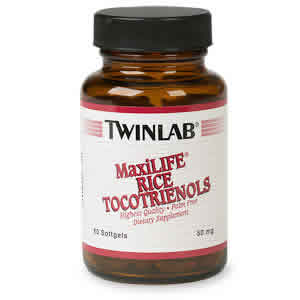
5. Vit E - the ones that are good in increasing HDL are tocotrienols found in palm oil, rice bran and oats

---------- Forwarded message ----------
From: Discovery Health Publishing <support@xfactorrevolution.com>
Date: Fri, May 18, 2012 at 12:07 PM
Subject: Lies, Damn Lies and Cholesterol


Discovery Health Publishing

Dear Reader:
Remember the famous quote from Mark Twain?
"There are three kinds of lies: lies, damned lies, and statistics."
When he penned those words, Twain easily could have been writing about cholesterol. Because the drug industry has massaged, bent and twisted cholesterol numbers beyond all recognition.
But there's one number Twain would have had no trouble understanding. $35 billion. That's how much drug companies made from cholesterol-lowering drugs in 2010.
Twain would have understood another thing, too. When you have a $35 billion cash cow, you do whatever it takes to protect it.
So if a large study linked a high risk of cancer to low levels of LDL cholesterol - the so-called "bad cholesterol" - you'd start dancing around the numbers big time.
And that's exactly what's happening. Because that's what a study just presented to the American College of Cardiology discovered.
New Study: Low LDL Raises Your Risk of Cancer
Led by a Tufts University researcher, these scientists compared people in the long-running Framingham Heart Study. Over a period of nearly 20 years, low LDL cholesterol was linked to a higher risk of cancer.1
Other studies have shown that taking cholesterol-lowering drugs ALSO raises your risk of cancer.
So the Tufts University study used only people who had never taken these drugs. So it was clear that it isn't the drugs boosting your risk... it's lowering your LDL cholesterol levels.
The dancing began immediately.
In spite of their findings, the study's authors defended using drugs to lower cholesterol. Because the study shows, they say, that it's not the drugs themselves that cause cancer.
That's sort of like saying it's okay to stick your hand on a hot frying pan, because the frying pan itself doesn't cause the burns.
Of course, it's not just this study the drug companies don't want you to hear about. They've been dancing around a huge body of evidence for years. And the lies start with cholesterol itself.
You see, "bad" cholesterol isn't bad at all. In fact, you'd die without it.
Your body can't make testosterone or estrogen - two key sex hormones - without cholesterol. And if you didn't have LDL cholesterol, your cell walls wouldn't function.
Your body also uses LDL cholesterol to make necessary repairs. LDL cholesterol delivers cholesterol to the cells that need it. HDL - or "good" cholesterol - cleans up after the repairs are done.

An Urgent Message from David Blyweiss, M.D.
THE WEIGHT LOSS MISTAKE
Diet "Experts" Make Every Day
It's their mistake...but it's your growing waistline!
These 3 SECRET INGREDIENTS may be the biggest weight loss breakthrough of our time!
Mounting scientific evidence shows that once you pack on the notorious "40s flab," all the dieting and exercise in the world CAN'T, WON'T and WILL NEVER get rid of stubborn fat!
If diet and exercise really worked, why do 95% of us gain all our weight back? And why are a shocking two-thirds of us overweight, and getting heavier and sicker by the minute?
Now an astounding new discovery shatters the rules of weight loss! No dieting torture...no frenzied exercise!
Thanks to stunning new insight on the real cause of weight gain, there's an amazingly easy way to lose pounds of fat and shed inches of flab for good!

But if you take the LDL away, the repairs don't get made.
Doctors say maintaining lean muscle is key as you get older. Guess what a team at Texas A&M University discovered? LDL cholesterol helps you build lean muscle faster. In fact, in their study, the people with the highest LDL cholesterol levels built the most muscle.2
By now, you're probably wondering, "But what about my heart? Isn't LDL cholesterol bad for my heart?"
High LDL cholesterol can - and does - contribute to clogged arteries. But your body has a natural mechanism for removing excess LDL cholesterol. It's called HDL cholesterol. And part of its job is to keep its LDL cousin at healthy levels.
But why let Nature work when you can sell $35 billion worth of drugs?
You see, there's NO REAL PROOF that LDL cholesterol contributes to heart attacks.
Here's a disturbing FACT: Almost half of all people who have heart attacks have "normal" cholesterol... and over 70% of heart attacks and heart disease are NOT prevented by cholesterol lowering medications.3
Here's another example: In a 2009 study of 136,905 people hospitalized for heart attack, almost half of the patients had healthy LDL levels. And nearly 1 in 5 had levels considered "ideal."4
So LDL cholesterol obviously wasn't much of a predictor of heart trouble.
But another number was. In this same study, less than 10% of these heart attack victims had healthy HDL cholesterol levels.
So it's obvious what the researchers' first conclusion was. That's right... You guessed it. We need to lower LDL cholesterol levels even more. In spite of the fact that every time we lower the LDL guidelines, heart attacks keep on happening.
And here's a shocker. In 1981, a total cholesterol reading of 310 mg/dl was considered "normal." Today, the upper limit is 200 mg/dl.
Can you imagine a doctor today telling you that cholesterol above 300 is healthy? That was a medical standard 30 years ago.
But of course, every time the limit goes down, drug companies sell more and more of their products. It's gotten so bad, they've convinced some medical groups that even healthy people should be taking cholesterol drugs - just in case!
Too bad. Because lowering your LDL too far also increases your risk of cancer.
Get Your HDL High Enough and You'll NEVER
Have to Worry About Heart Disease Again
Meanwhile, almost everyone ignores the obvious solution. If more than 90% of the people experiencing heart attacks have low HDL cholesterol, let's help them get that number up.
But there's a lot less money to be made with that plan... because there are so many ways you can do it naturally. You probably won't ever need a drug to boost your HDL.
Here are a few easy ways to do it:
  • Vitamin E. But not just any vitamin E. There are eight forms of this vitamin. Most supplements only contain Alpha-tocopherol. But the forms most effective in boosting HDL are called tocotrienols. Palm oil is the best source, but you'll find plenty in rice bran and oats, too.
  • CoQ10. Another good way to boost HDL is with CoQ10 supplements. Be sure to look for the form called ubiquinol, which your body absorbs better.
  • Cocoa. The Aztecs were right: cocoa is health food. One of its benefits is boosting HDL levels. Look for organic cocoa - without added sugar. (The Aztecs drank it with hot peppers.)
  • Red Meat. Conventional wisdom says to avoid meat, because it raises cholesterol levels. But studies say otherwise. Researchers at the University of Minnesota gave 6 ounces of lean red meat a day to volunteers with high cholesterol. After 36 weeks, their LDL was down and their HDL was up.5
Wishing you strength and vitality,
Jason Kennedy
Jason Kennedy
1 "Low LDL Cholesterol Is Related to Cancer Risk," American College of Cardiology. Mar 25, 2012.
2 "'Bad' Cholesterol Not As Bad As People Think, Shows Texas A&M Study," Texas A&M University. May 4, 2011.
3 Cardenas G, Lavie C. How significant is HDL cholesterol? Emergency Medicine. Sep 2005.
4 Sachdeva, A., et al, "Lipid levels in patients hospitalized with coronary artery disease: An analysis of 136,905 hospitalizations in Get With The Guidelines," American Heart Journal. Jan 2009;157(1): 111-117.
5 Hunninghake, D.B., et al, "Incorporation of lean red meat into a National Cholesterol Education Program Step I diet: a long-term, randomized clinical trial in free-living persons with hypercholesterolemia," J Am Coll Nutr. Jun 2000; 19(3): 351-360.

© Copyright 2012 Discovery Health Publishing, Inc. All Rights Reserved.
Disclaimer: The entire contents of this email are based upon research conducted by the author, unless otherwise noted. The publisher and the author present this information for educational purposes only. The information and material provided on this site are for educational purposes only and any recommendations are not intended to replace the advice of your physician. You are encouraged to seek advice from a competent medical professional regarding the applicability of any recommendations with regard to your symptoms or condition. It is important that you do not reduce, change or discontinue any medication or treatment without consulting your physician first.
The information and recommendations provided on this website have not been evaluated by the Food and Drug Administration and are provided for educational purposes only.
You are getting this e-mail because you subscribed to it on www.discoveryhealthpublishing.com or because you are one of Discovery Health Publishing's prospects or book buyers.

Discovery Health Publishing
11924 W. Forest Hill Blvd. #22-315
Wellington, FL 33414


If you no longer wish to receive our emails, click the link below:
 Unsubscribe

Discovery Health Publishing, Inc.
11924 W. Forest Hill Blvd
#22-315
Wellington, Florida 33414
United States


--
Jorge U. Saguinsin
blogs:   profjorgeentrep
              nuideas
              cheapcures
Slide Presentations at Slideshare -http://www.slideshare.net/profjorge_entrep/

SPREADING THE ENTREPRENEURIAL REVOLUTION


Saturday, May 19, 2012

Healthy Food - Tacos

Effective Cures that are Cheap for Everyone


My daughter prepared for me a taco meal.  I have not eaten one before.  I found out this to be healthy.
It consist of sliced fresh  onions, tomatoes, cabbage,  some ground meat   We all know that all contain phytonutrients.  Onions as mukonetic amd anti diabetic, tomatoes contain lycopene, other phytonutrients and betacarotene, and protease inhibitor (they were slightly raw).  Cabbage, we know as cruciferous vegetable is anti cancer.  And you feel light after eating taco.

 x                            Onions are some of multi purpose foodcures


                        Another healthy dish consisting of chicken carrots,  and peas

Monday, April 2, 2012

How to Dissolve Kidney Stones? 2nd opinion

Effective Cures Can be Cheap

Our staff just called to say that she will bring her mother to a doctor for a second opinion on her kidney stones.  The kidney stones must be causing her pain and therefore her high blood pressure, or that her angiotensin in her kidney must be spooking her blood pressure.

When asked about what dissolves the kidney stones, I could not tell her much except the banana and the sodium bicarb.  Her mother is not responding to these stuff so she has to see a doctor.  The alternative would be a shockwave treatment (about 50T) or a surgery (expensive and debilitating)

So I went back to JC Kurian book on miracle healing plants.  Those that indicated for dissolving kidney stones are:

l.   Saffron (Crocus sativus Lin)  Commercial saffron comes from the dried stigmas of the tiny flower. Its plant appear like onions producing grey green leaves and its flowers are lily shaped and yellow violet or red in color.  The dessicated or dried out stigmas are made yellow powder which is made into coloring agent and spice. p. 49 JC Kurian

Treatment for kidney stones:   Use 8 to l0 stigmas for one cup of water.  Drink l/2 to l cup per day.

Saffron

2. Cucumber (Cucumis sativus) Eating the fruit, or making this a drink (slice the cucumber, soak in water overnight in ref and make it your drink) p.50, JC Kurian

Nutrition Data Cucumber

World's Healthiest Food on Cucumber


3. Wire grass (Eleusine Indica Gaerth)  the crab grass. The decoction of the plant is to be used for treating gall bladder and kidney stones  p. 6l JC Kurian


Also known as Goose Grass

4.  Cat's whiskers (Orthosiphon aristatus Benth) Also known as Java Tea Plant or Kidney Tea Plant.  The plant grows about 1-2 meters and grows ovate leaves with serration;  it has eye catching flower.  The decoction of the entire plant is used for treating kidney stones.  p.10l in JC Kurian Book.

Also known as Balbas Pusa

5 Indian Madder (Rubia cordifolia Linn) It is climber with thin red bark with long cylindrical roots;  it bears fruits that are 4-6 mm in diameter and purplish and black when ripe. The decoction of  roots is used in the treatment of kidney stones.

Rubia In Herbal Preparation - For Blood Purification

6.  Onions (Allium cepa Linn)  Can be eaten raw for the removal of kidnesy stones and calculus. p.13.  JC Kurian Vol.  l.

WHf on Onions


7.  Watermelon (Citrulus vulgaris Linn) The juice of ripe fruit is used for dissolving kidney stones (please take note that the fruit is rich in citrullene, a vasolidator and makes watermelon a potent natural viagra.  What is good for the kidney is good for the sex organ) p.54, Vol. l JC.  Kurian

Nutrition data for wqtermelon

Science Daily on Watermelon


8.  Pomegrante (Punica granatum Linn)  granada for Tagalog.  The seeds ground into a paste and mixed with milk, is used to dissolve stones of kidney of expectant mothers. Note that watermelon, together with pomegrante seeds make good for ED problems.  p.120 Vol. l JC Kurian

EHow.com on Pomegrante


9.  Corn (Zea mays Linn) the stigma are recommended for painful urination, the roots and leaves are recommended for urinary tract problems  (drank as tea)   p.l54 Vol. l JC Kurian.

Zea Mayz